Roots-stoomkompressor vir meganiese dampherkompressie (MVR): Waarom Roots MVR-stoomkompressor sentrifugale klop in kristallisasie, Hoë-BPE en middel-klein verdamping
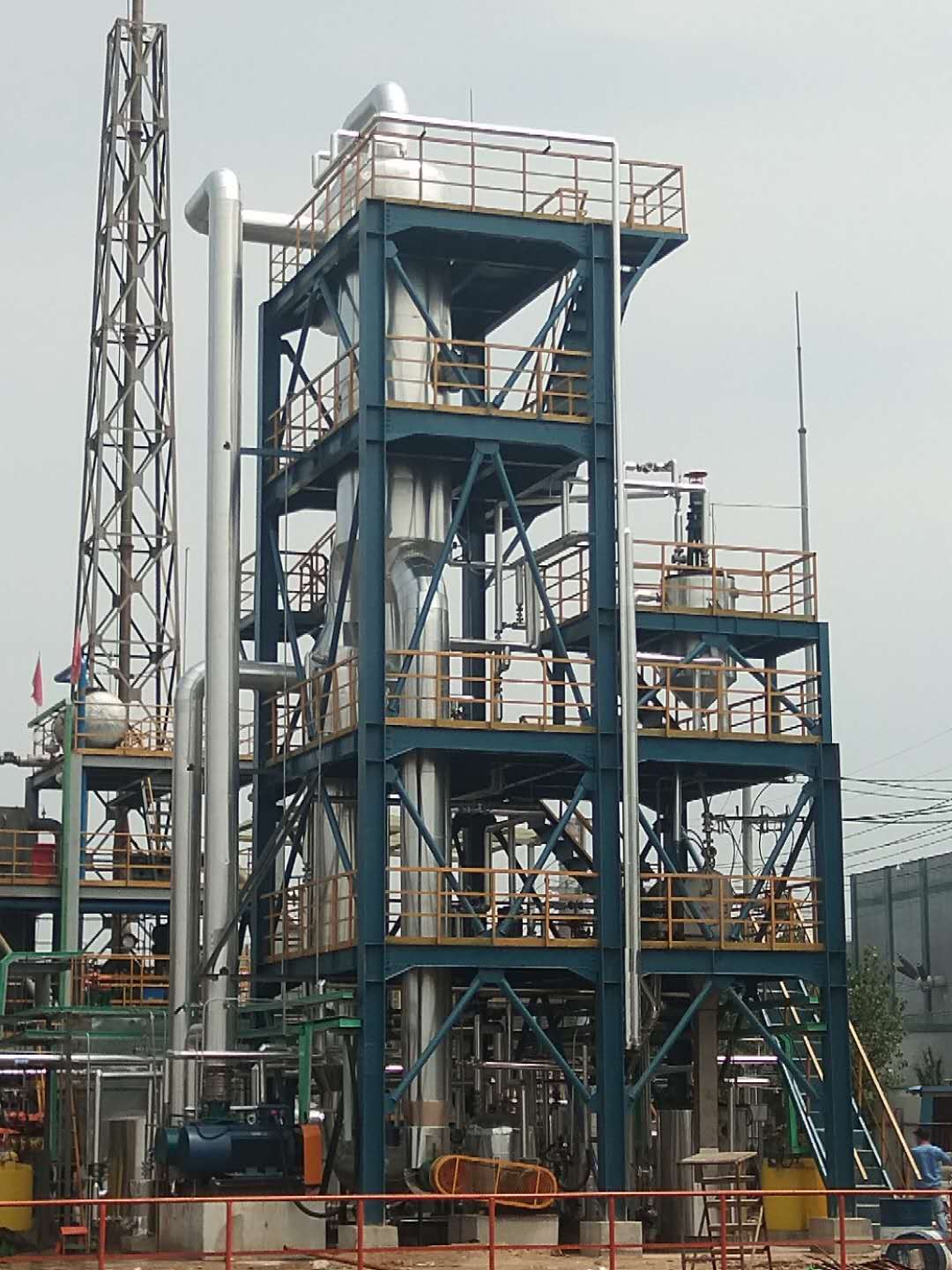
In 'n Meganiese dampherkompressie (MVR), verdamper, die MVR stoomkompressoris die komponent wat besluit of die geslote lus 60–90% van ketelstoom bespaar of stalletjies tydens oplewing, erosie en vervuiling . Vir Meganiese dampkompressiepligte met hoë kookpunt hoogte (BPE), gedwonge sirkulasie kristallisasie, pekelwater of onstabiele afvalwatervoer, a Wortels stoom kompressor-'n positiewe verplasing-lobkompressor wat vir versadigde damp gebou is - is dikwels die enigste masjien wat die aanleg aan die gang hou sonder 'n multi-stadium sentrifugale kompressor.
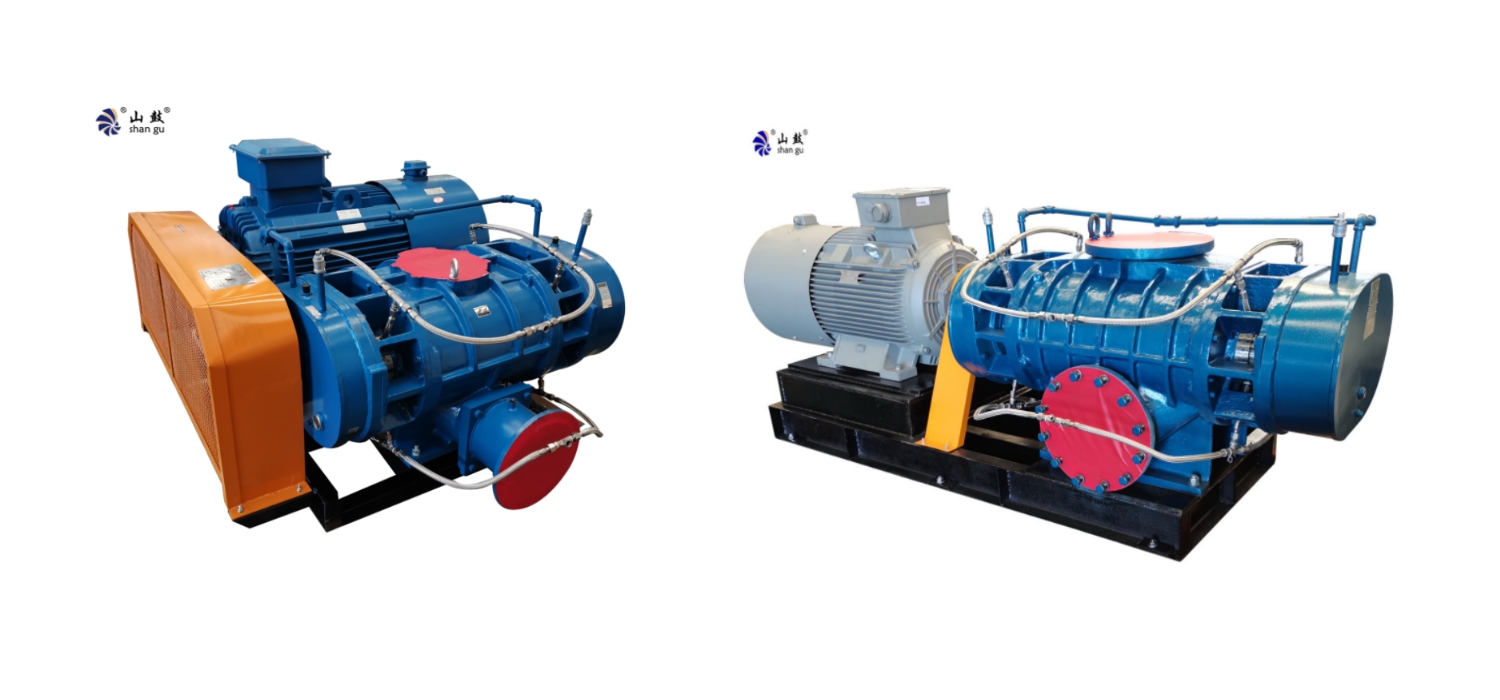
Hierdie bladsy is geskryf vir prosesingenieurs, EPC-kopers en aanlegbestuurders wat spesifiseer MVR-stoomkompressors: dit verduidelik waar Roots-tipe kompressie nodig is, hoe dit met sentrifugale kompressors vergelyk, en watter data om te stuur vir 'n gekwoteerde pakket.
Hoe meganiese dampherkompressie (MVR) gebruik die kompressor
Verdamper sekondêre stoom (tipies 60-100 ℃, lae druk) word ingetrek in die MVR stoomkompressor, saamgepers, en by 'n hoër versadigingstemperatuur na die verhittingsbuise teruggekeer . Die kompressor verander elektrisiteit in entalpie; alles anders in die lus is hitte-uitruiling.
- Sentrifugale MVR kompressor– dinamiese waaier, 10k–30k rpm, groot vloei, lae/medium enkelstap-hysbak, oplewing beperk .
- Roots MVR-stoomkompressor– dubbele lob rotors, positiewe verplasing, nie-kontak, hoë enkelfase drukverhouding, plat kromme .
Vir vuil, skaal, hoë-BPE of 0,5–15 t/h verdampingslusse, positiewe verplasing verwyder die grootste mislukkingsmodusse van dinamiese kompressors .
6 redes Roots-stoomkompressors is in baie nodig Meganiese dampherkompressie (MVR) verdampers
1. Enkel-fase 10–25 ℃ hysbak dek hoë BPE materiale in meganiese dampherkompressie (MVR)
Hoë-sout, sulfaat, chloried en litium pekelmiddels dikwels nodig >8–10℃ BPE plus lynverliese. Sentrifugale eenhede gee 5–12 ℃/trap en dwing multi-stadium stapels . A Wortels stoom kompressorloop 1.5–4.0 drukverhouding, 10–20 ℃ enkelfase-versadigingshyser, so een omhulsel dek die meeste kristalliserende MVR-pligte .
→ Sonder Wortelverplasing, hoë-BPE drank val óf uit enkellus MVR óf betaal sentrifugale stadium CAPEX.
2. Geen oplewing nie – oorleef toevoer/konsentrasie/terugdrukswaaie in meganiese dampherkompressie (MVR)
Sentrifugale kompressors ry 'n steil kopvloeikromme en styg wanneer verdampingstempo of terugdruk dryf . Wortelblasers word deur volume gedomineer: verplaasde damp bly byna konstant oor ontladingsdruk, dus bondelvoer, konsentrasie dryf en aangroei sal hulle nie laat struikel nie .
→ Vir afvalwater / moeder-drankstrome wat nooit by naambord sit nie, Wortels MVR-stoomkompressorssny onbeplande stilstand.
3. Nat damp & mis wat in geforseerde sirkulasie kristalliseerders geduld word
Kristalliseerder sekondêre stoom dra druppels; sentrifugale wiele erodeer en verloor balans . Wortels rotors draai stadiger, klarings is nie-kontak, en die kompressiekamer is olievry, so ligte oordrag sal nie die masjien onmiddellik deaktiveer nie .
→ Loser demister spes, minder rotor herbou, langer loop voor CIP.
4. Regte grootte CAPEX vir 0,5–15 t/h MVR-verdampers
Wortels-eenhede strek oor ~30 kg/h–3,0 t/h in standaard produklyne, tot ~15 t/h in ontwerpte pakkette; geen hoëspoedratkas nie . Sentrifugale betaal vrugte af by groter vloei waar kWh/ton wen .
→ Pharma, fyn-chemie, ZLD pekelwater, suiwel- en loodslyne kry MVR ROI sonder turbo-kompressor bokoste.
5. Terugdruk volg op skalering - hou ΔT as buise vuil
Skaal verhoog stelsel-terugdruk; sentrifugale kop val van die kurwe af, Wortelverplasing stoot eenvoudig na die nuwe druk .
→ Langer aanlyn veldtog tussen uitspoelings, bestendiger kristalopbrengs.
6. Velddiensbaar, VFD-gereed, olievrye kamer
Dra-items is seëls/laers/sinkroniseringratte, nie waaiers nie; VFD-skale verplasing; interne olieskeiding hou stoom koolwaterstofvry .
→ Laer lewensiklus O&M as hoëspoed sentrifugale MVR, geen turbinespesialis op houer nie.
Wortels vs Sentrifugale MVR-stoomkompressor — seleksie tabel
| Parameter | Wortels stoom kompressor (positiewe verplasing) | Sentrifugale MVR kompressor (dinamiese) |
|---|---|---|
| Verdamping pas | 0.5–3,0 t/h (produklyne tot ~7,4 t/h) | 10–200+ t/h |
| Enkelfase ΔT | 10–20℃ | 5–12℃ (multi-stadium vir meer) |
| Drukverhouding | 1.5–4.0 | 1.1–2.2 |
| Oplewing | Geen | Ja, af-ontwerp |
| Nat / kristalliserende damp | Verdra | Risiko vir erosie van waaier |
| CAPEX profiel | Laer op klein-middel skaal, geen ratkas nie | Hoër presisie trein |
| Beste plig | Hoë BPE, kristallisasie, veranderlike voer, ZLD | Bestendige groot skoonvloei-valfilm |
Waar Roots MVR-kompressor die korrekte spesifikasie is
Spesifiseer a Wortels-tipe meganiese dampkompressiekompressor wanneer die opdrag wys:
- verdamping ≤ 8–15 t/h
- BPE / vereis ΔT > 8–10℃
- gedwonge sirkulasie of kristalliserende drank
- voer konsentrasie / vloei wissel skof-tot-skuif
- mis oordrag kan nie wees nie 100% verwyder
- CAPEX-koevert sluit sentrifugale gerat uit
- terrein het nie hoëspoed turbomasjineriemeganika nie
Gereelde vrae
V: Wat is 'n Roots-stoomkompressor in meganiese dampherkompressie (MVR)?,
'n Positiewe verplasing lobblaser aangepas vir versadigde damp; dit vang en verplaas stoom teen terugdruk om versadigingstemperatuur 10–20 ℃ per stadium te verhoog sonder oplewing .
V: Is Wortels of sentrifugale beter vir MVR-kristalliseerders?,
Vir kristallisering, hoë BPE of mistige damp onder ~15 t/h, Wortels is verkieslik—sentrifugale waaiers erodeer en styg uit die ontwerp .
V: Kan 'n Roots MVR-kompressor scaling pekel hanteer?,
Ja; verplasing uitlaat spore stygende terugdruk, so dit hou temperatuurverhoging as wisselaarbuise vuil .
Kry 'n gekwoteerde Roots MVR-stoomkompressorpakket
Stuur hierdie en ons gee grootte Wortels vs sentrifugale kurwes terug + CAPEX/OPEX:
- verdampingstempo (kg/h of t/h) en inlaat/uitlaatversadiging
- Inlaattemperatuur en uitlaattemperatuur
Ons ontwerp dupleks-SS / titanium rotors, meganies + labirint seëls, water-inspuiting verkoeling en gly pakkette vir Meganiese dampherkompressie, (MVR) Kompressor.