How to Extend the Service Life of Stainless Steel Roots Rotary Lobe Blower – Complete Guide
As a professional roots blower manufacturer, we know that stainless steel roots rotary lobe blower is widely used in chemical, biogas, wastewater treatment, pharmaceutical, and corrosive industrial environments. Different from traditional cast iron blowers, stainless steel roots blowers feature excellent corrosion resistance, but their service life heavily depends on correct selection, standard installation, scientific operation, and systematic maintenance. Many users face premature wear, pitting corrosion, air volume attenuation, and seal leakage due to improper usage. This article summarizes full-cycle optimization solutions to maximize the service life of stainless steel roots blower and reduce industrial operation costs.
1. Pre-Selection & Standard Installation: Foundation of Long Service Life
High-quality installation and accurate model selection determine 50% of the roots rotary lobe blower’s service life, especially for stainless steel models working in harsh corrosive conditions.
1.1 Match Stainless Steel Material with Working Medium
Material mismatch is the main cause of stainless steel blower failure. For conventional chloride-containing humid environments, 316L stainless steel is the standard configuration to avoid surface pitting corrosion. For high-salt, strong acid, and severe corrosive working conditions, 2205 duplex stainless steel is strongly recommended. Never use 304 stainless steel for long-term anti-corrosion operation, as it is prone to rapid corrosion and rotor gap enlargement.
1.2 Equip Professional Sealing System for Corrosive Gas
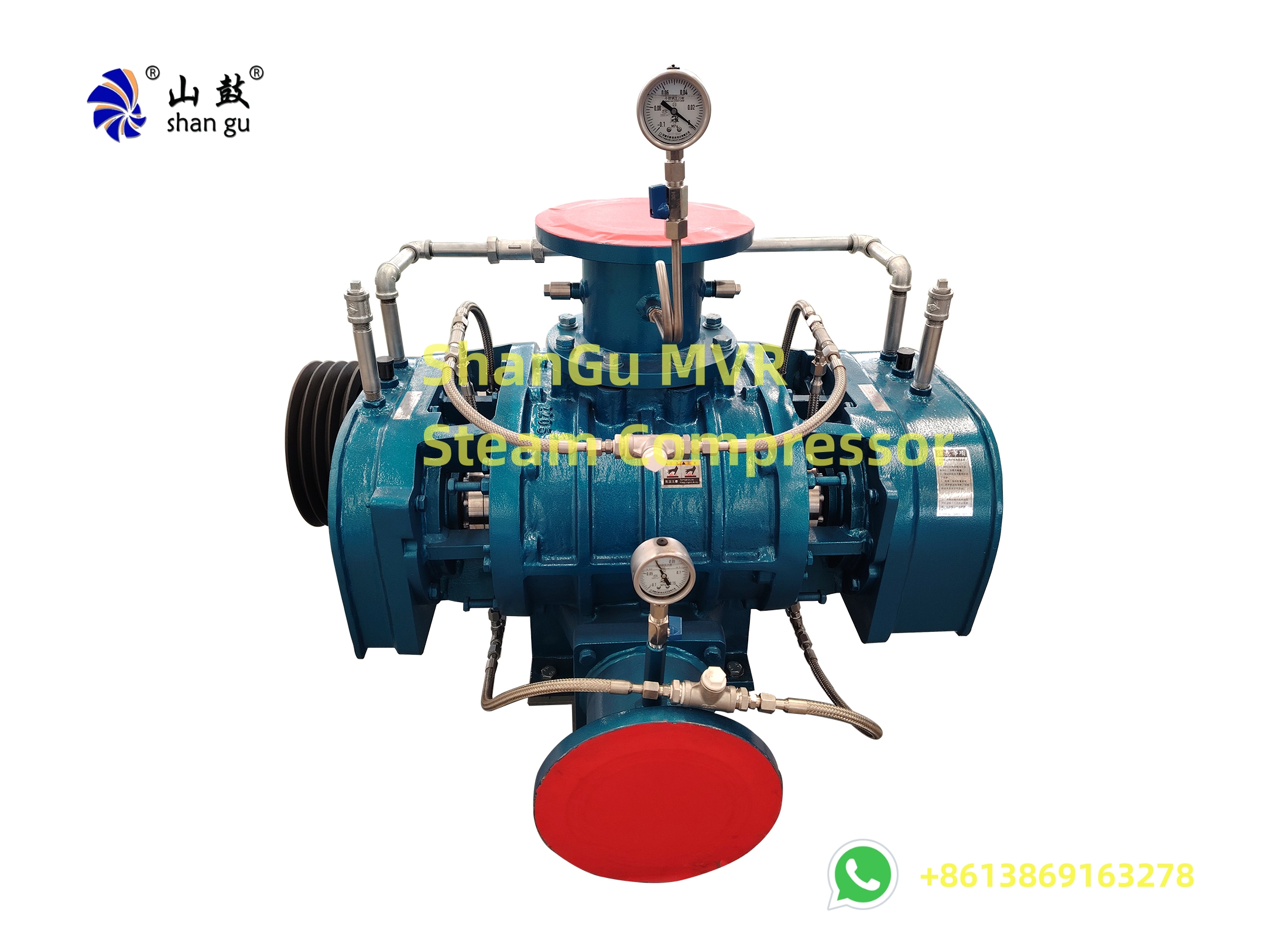
Ordinary oil seals cannot adapt to toxic and corrosive gas delivery. All stainless steel roots rotary lobe blower used for chemical gas, biogas, and flue gas transportation must be equipped with mechanical seal + isolation gas system. This structure effectively prevents corrosive gas from penetrating into the gearbox and oil tank, avoiding bearing rust, gear corrosion, and internal component failure. For clean air conveying, standard oil seals are acceptable to control costs reasonably.
1.3 Install Precision Air Intake Filtration Device
Stainless steel rotors have lower wear resistance than cast iron rotors. Dust, particles, and impurities in the intake air will continuously scour the rotor and casing, increasing internal gaps and causing permanent air volume attenuation and efficiency reduction. Installing a high-precision filter at the air inlet can block solid impurities, keep the internal cavity clean, and greatly reduce wear failure.
1.4 Vibration Reduction & Thermal Expansion Gap Reservation
Install flexible soft connections and shock-absorbing bases for the pipeline system to eliminate resonance vibration, prevent bolt loosening and seal damage of the stainless steel roots blower. Meanwhile, stainless steel has a higher thermal expansion coefficient than cast iron. For high-temperature working conditions, reserve reasonable thermal expansion gaps during installation to avoid rotor shell friction and equipment damage after heating.
2. Standard Daily Operation: Avoid Accelerated Aging
Irregular operation is the main factor leading to sudden failure and shortened service life of industrial roots rotary lobe blower. Strict operation specifications can effectively stabilize equipment performance.
2.1 Prohibit Overpressure, Overheating and Forced Start-Up
Always avoid long-term overload operation, overpressure and over-temperature operation. Check the opening status of inlet and outlet valves before startup, and strictly prohibit pressure-holding startup, which will cause instantaneous impact on rotors, bearings and gears, resulting in fatigue damage.
2.2 Control Air Intake Humidity and Condensed Water
Condensed water mixed with corrosive gas is the primary cause of stainless steel pitting corrosion. For humid and corrosive working conditions, install a water-gas separator at the front end to remove condensed water, keep the internal cavity dry, and prevent local corrosion of the blower casing and rotors during operation and shutdown.
2.3 Reduce Frequent Start-Stop and Abnormal Operation
Frequent start-stop will generate alternating impact load, accelerate bearing fatigue aging, and affect the matching precision of rotor components. Once abnormal noise, excessive vibration, oil leakage and gas leakage are found, stop the machine immediately for inspection. Never operate the stainless steel roots blower with faults to avoid secondary damage.
2.4 Real-Time Monitoring of Operating Parameters
Establish complete operation records, real-time monitoring of motor current, bearing temperature and body vibration values. Timely parameter adjustment can avoid hidden equipment dangers and maintain stable long-term operation of the blower.
3. Systematic Regular Maintenance: Core of Service Life Extension
As a reliable roots blower manufacturer, we emphasize that standardized regular maintenance is the most effective way to extend the service life of stainless steel roots rotary lobe blower.
3.1 Regular Gear Oil Replacement
For new blowers, complete the first gear oil replacement after 200 hours of trial operation. Under conventional working conditions, replace the medium-load gear oil every 6 months; shorten the replacement cycle to 3 months in corrosive and high-humidity environments to ensure good lubrication of gears and bearings.
3.2 Timely Inspection and Replacement of Sealing Parts
Mechanical seals are vulnerable parts of roots rotary lobe blower. Regularly inspect shaft seal leakage and gas seal stability during daily operation. For corrosive industrial scenarios, it is recommended to inspect and replace sealing components once a year to avoid gas leakage and medium backflow.
3.3 Periodic Bearing Detection and Replacement
Detect bearing temperature and vibration every six months to judge operating status. Under normal working conditions, bearings can be used for 2-4 years; replace them in time if abnormal wear is detected to prevent rotor jamming.
3.4 Filter and Internal Cavity Maintenance
Clean the intake filter regularly, and replace the filter element immediately if the pressure difference exceeds the standard to prevent insufficient air intake and negative pressure inhalation of impurities. During shutdown maintenance, flush the residual corrosive medium inside the casing and dry it completely to avoid static pitting corrosion.
3.5 Fasteners and Auxiliary Accessories Inspection
Regularly fasten equipment bolts, and check the aging and damage of bellows, gaskets and shock-absorbing parts to ensure the overall stability of thestainless steel roots blower operating system.
4. Long-Term Shutdown Maintenance: Prevent Idle Corrosion
Many blowers are damaged during long-term shutdown rather than operation. For idle roots rotary lobe blower, completely drain the condensed water in the pipeline and casing, and keep the internal cavity dry. Regularly turn the rotor manually to avoid rust adhesion and fixed-point corrosion of the rotor in a static state, ensuring that the equipment can be started normally after long-term storage.
5. Why Choose Our Stainless Steel Roots Rotary Lobe Blower
We are a professional roots blower manufacturer focusing on high-corrosion industrial blowers. All ourstainless steel roots blower products adopt 316L/2205 duplex stainless steel customized materials, equipped with high-standard mechanical seal isolation systems, anti-vibration structures and precision processing technology. Compared with ordinary blowers, our products have lower leakage rate, stronger corrosion resistance, longer service life and more stable operation. We support customized models for biogas, chemical, pharmaceutical, wastewater treatment and other special working conditions, providing one-stop selection, installation guidance and after-sales maintenance services for global customers.
Conclusion
The service life of stainless steel roots rotary lobe blower depends on scientific material selection, standardized installation, standardized operation and systematic maintenance. Following the above full-cycle management methods can effectively avoid corrosion, wear, leakage and failure, greatly extend equipment service life, and reduce enterprise equipment replacement and operation costs. For customized high-performance corrosion-resistant roots rotary lobe blower solutions, contact our professional team for free technical support and quotation.